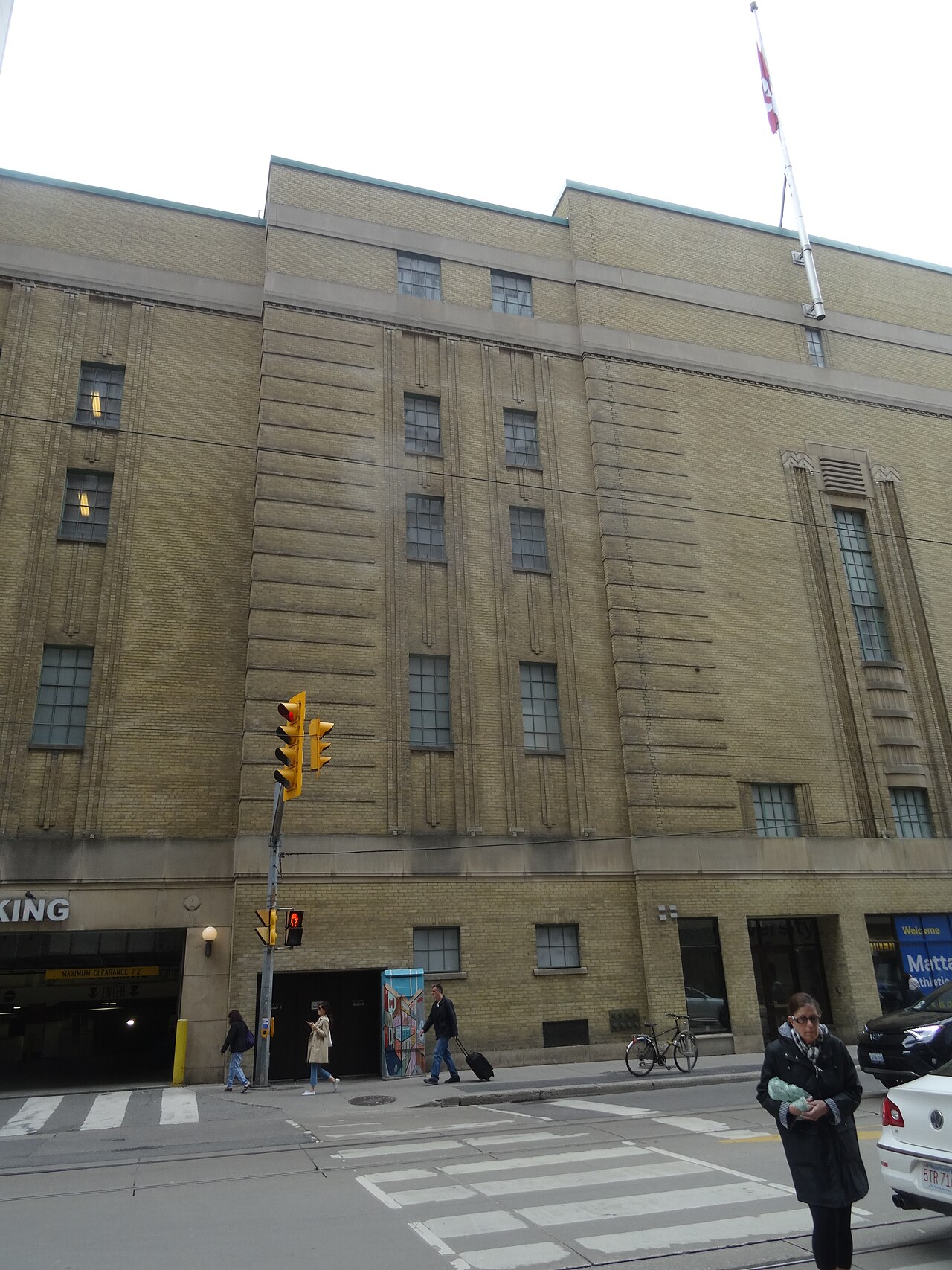
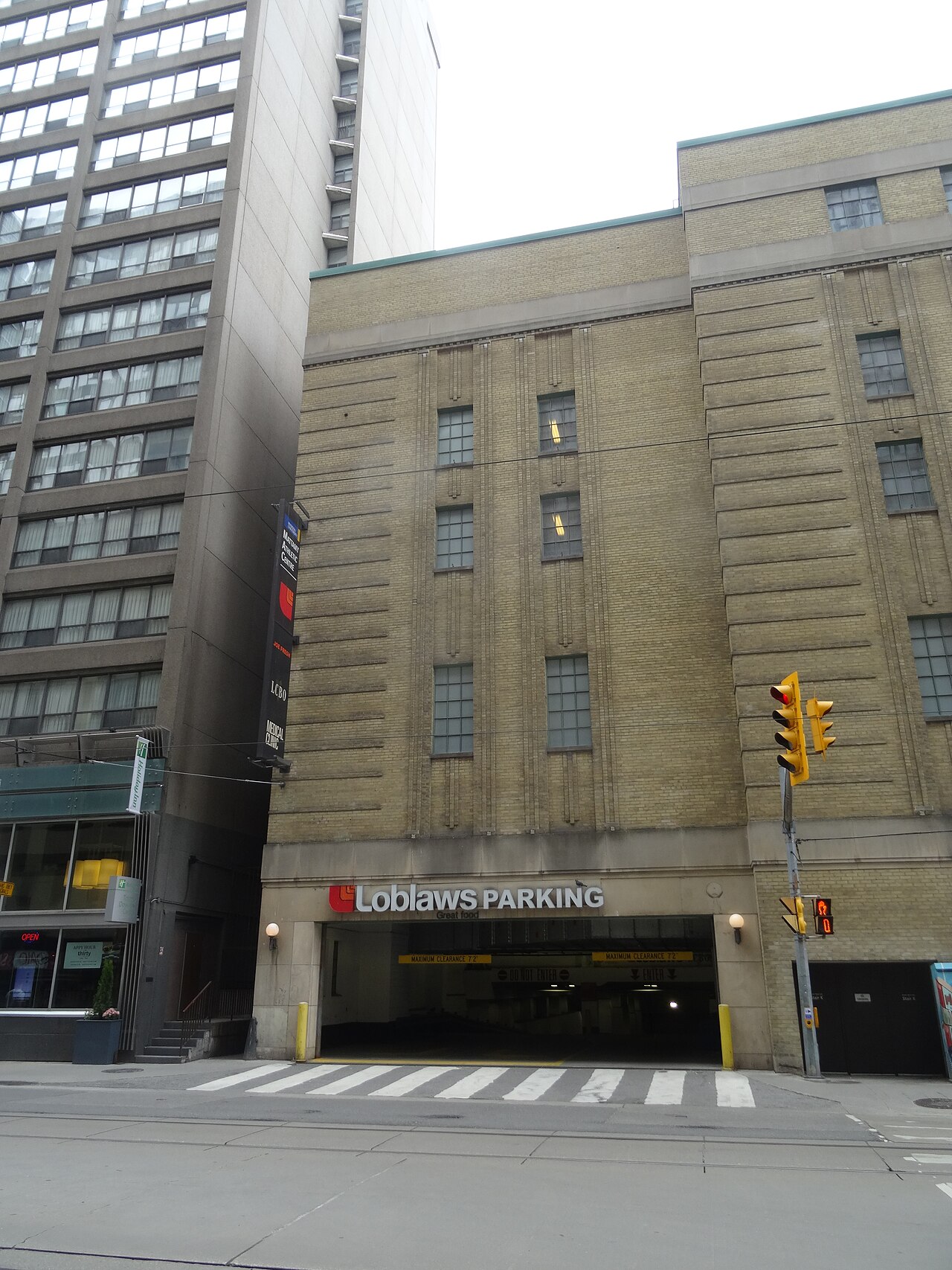
Maple Leaf Gardens
The hallowed ice where legends were forged and history was written.
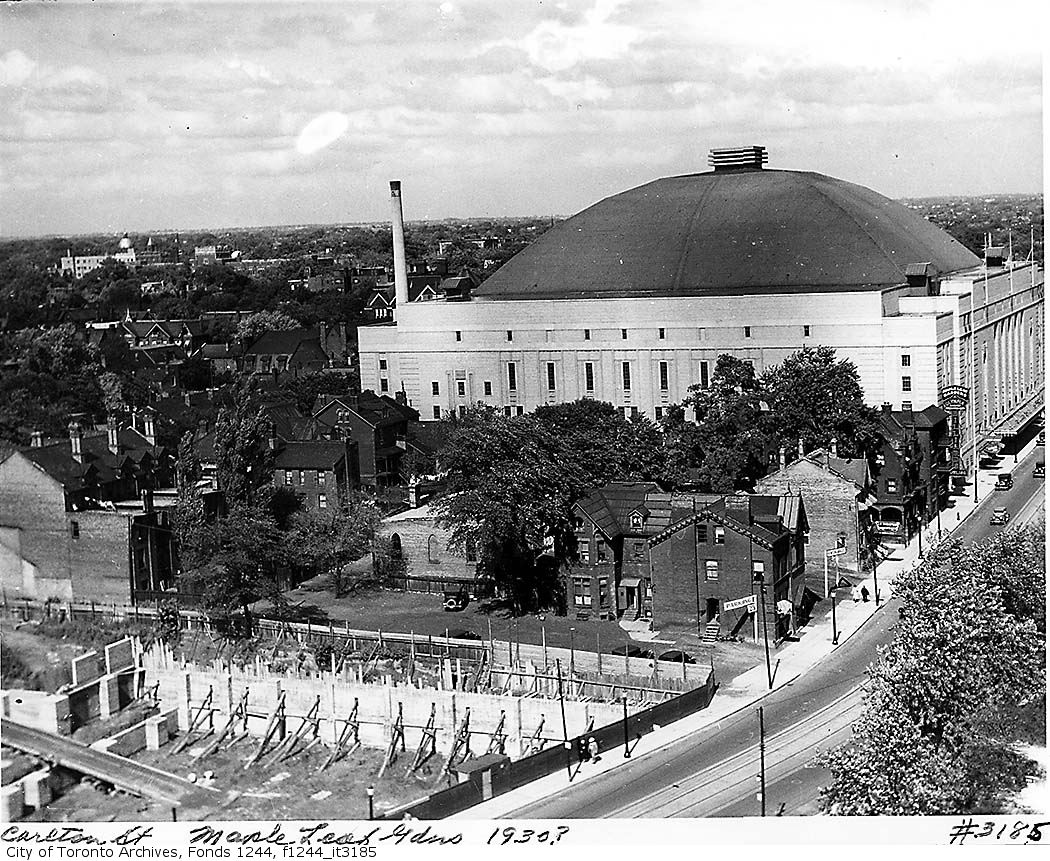
Maple Leaf Gardens stood as Toronto's hallowed cathedral of ice hockey, serving as the primary home arena for the Maple Leafs from its opening in 1931 until 1999. For nearly seven decades, it hosted the franchise's most defining moments, including six Stanley Cup victories and legendary performances by icons like Ace Bailey, Syl Apps, and Darryl Sittler. More than a sports venue, the rink was a cultural anchor that held Toronto together through wars, economic shifts, and changing eras of sport.
- Location
- Toronto, Ontario
- Opened
- 1931
- Closed as NHL Venue
- 1999
- Primary Tenant
- Toronto Maple Leafs (NHL)
- Notable Achievement
- Hosted 6 Stanley Cup Championships for the Leafs
Lore & Background
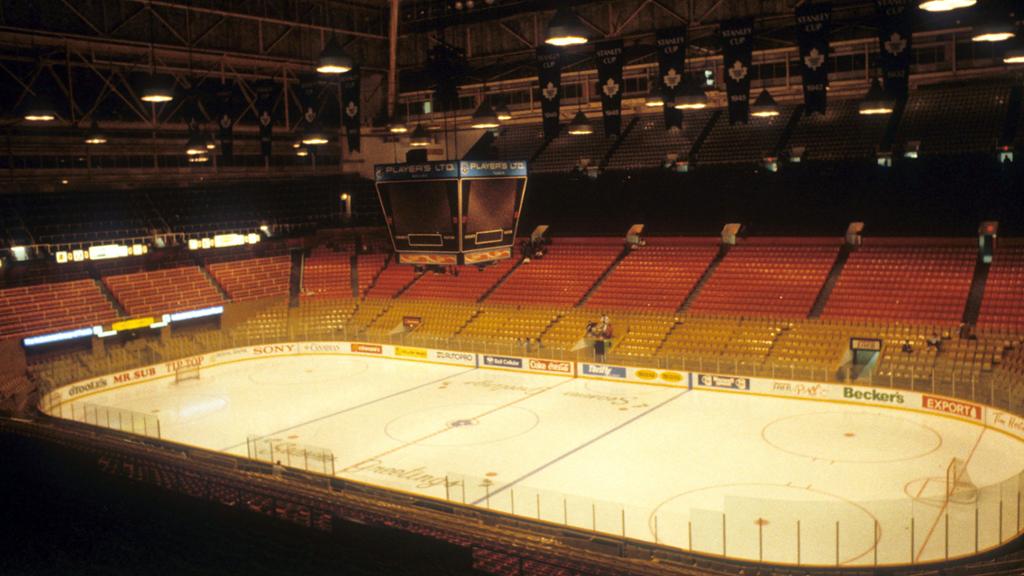
The Gardens was the stage for some of the most emotional nights in hockey history. It was here that the Leafs captured their last three Stanley Cups in the 1960s under coach Punch Imlach and player-coach George Armstrong, cementing a dynasty that defined the franchise's golden era. The building survived numerous renovations and capacity expansions but retained its original soul until the team moved to the Air Canada Centre (now Scotiabank Arena) in 1999.
In Their Own Story
The air inside was thick with the scent of stale popcorn, wet wool, and anticipation. As the Zamboni cleared the final shavings from the ice, a hush fell over the packed stands, silencing the roar that usually vibrated through the rafters. A lone player stepped onto the surface, the blades of his skates carving a sharp, white line against the pristine blue. The overhead lights reflected off the glass, casting long shadows across the boards where generations of heroes had fought. For one moment, time seemed to stop in the Garden, waiting for the first drop of the puck that would ignite another chapter of legend.
Reader's Guide
The Maple Leaf Gardens era defines the foundational identity of the Toronto franchise, spanning from its construction in 1931 to the team's departure in 1999. This period contrasts Depression-era optimism with the modern commercialization that eventually necessitated leaving it. The Gardens was not merely a building; it was a character in the story of the Leafs, witnessing the transition from early stars like Hap Day to the dynastic teams of the 1940s and the turbulent but triumphant 1960s.
What defined this chapter was the intimate, often intimidating atmosphere that favored the home team. The proximity of the fans to the ice created a deafening noise that became a psychological weapon against visiting opponents. It is where the franchise cemented a legacy of excellence with six championships in Toronto, creating a standard that still weighs heavily on every player who wears the sweater today. The decision to leave the Gardens in 1999 marked the end of an era, closing the book on the physical space where the club's greatest traditions were forged.
This history matters because it grounds the modern franchise in its roots. While the team now plays in a state-of-the-art facility, the spirit of the Gardens remains the emotional core of Leafs Nation. It serves as a reminder of resilience and continuity, connecting current fans to the past through shared memories of victories etched into that specific sheet of ice.
Did You Know?
- The arena was built in just 157 days during the depths of the Great Depression.
- Maple Leaf Gardens hosted its first NHL game on November 12, 1931, with the Leafs defeating the Chicago Black Hawks.
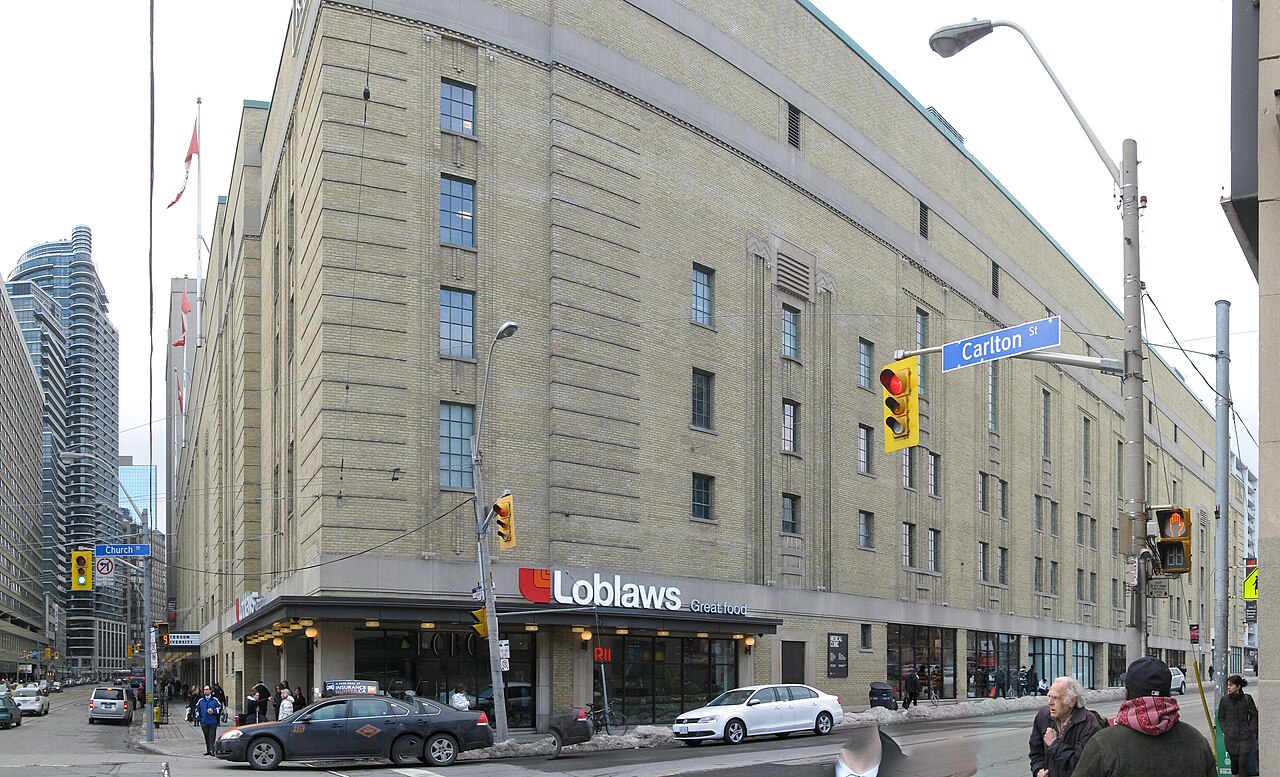
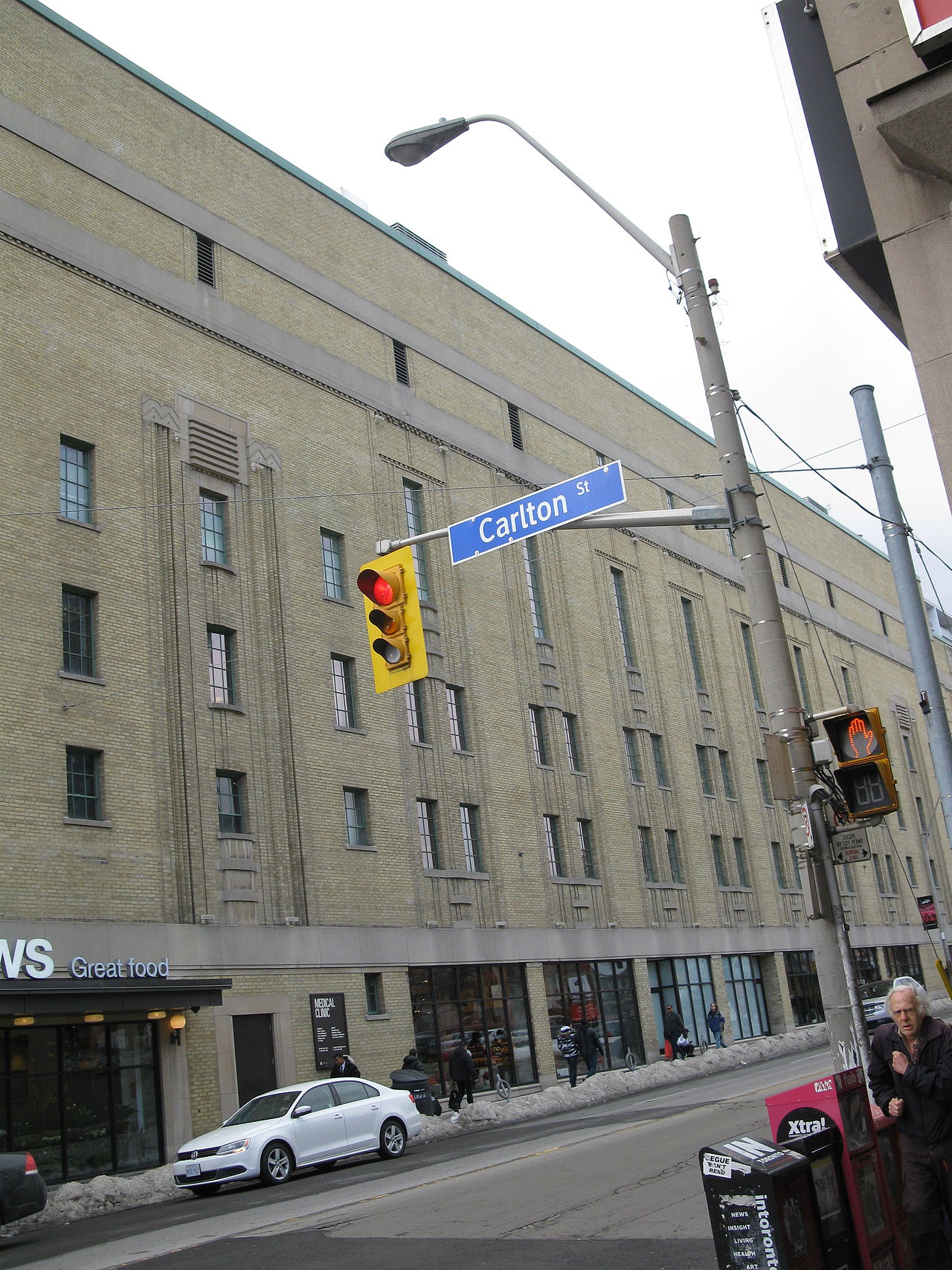
- The building is now a mixed-use facility housing the Mattamy Athletic Centre for Toronto Metropolitan University and a Loblaws grocery store in the lower bowl.
- It was one of the first arenas to feature luxury boxes, known as 'Garden Boxes,' which were highly sought after by Toronto's elite.
Origins and Revival
Maple Leaf Pro Wrestling represents a significant resurrection of a historic Canadian brand under new management. The promotion is owned by Scott D'Amore, a figure well-known for his tenure as president of Total Nonstop Action Wrestling and ownership of Border City Wrestling. In early 2024, the groundwork was laid when Michael E. Dockins filed a trademark for the name on April 14, utilizing an address linked to D'Amore's existing company. This move secured the intellectual property necessary to bring back the legacy associated with Frank Tunney’s original Maple Leaf Wrestling from the 1970s and 1980s. By August 8 of that year, D'Amore formally declared the revival as MLP, framing it as the modern heir to that legacy. This strategic acquisition allowed the new organization to honor past traditions while establishing modern operations within Toronto’s wrestling scene, setting the stage for future growth and international expansion through careful brand management.
Events and Championships
The promotion launched its live event calendar with Forged in Excellence, a two-night spectacle held at St. Clair College in Windsor during late October 2024. This inaugural show introduced the Champion’s Grail, a unique title defended across multiple allied promotions. Rohan Raja secured this historic victory by defeating Jake Something on the first night. As operations expanded into 2025 and 2026, MLP returned to St. Clair College for Mayhem before headlining a significant event at Maple Leaf Gardens itself. During Northern Rising in May 2026, the promotion established its domestic hierarchy by crowning Josh Alexander as the inaugural Canadian Champion. Simultaneously, Gisele Shaw was named the first holder of the Canadian Women's Championship. These milestones marked a transition from initial revival to establishing concrete titles and returning to the iconic venue that shares the brand’s name, solidifying their presence in the regional landscape.
Global Alliances and Partnerships
A core component of MLP's strategy involves building a robust network through international cooperation. Shortly after announcing the brand revival, D'Amore formed the Pro Wrestling Alliance on August 19, 2024. This coalition includes Qatar Pro Wrestling and Oceania Pro Wrestling, creating a framework for cross-promotional storytelling and talent exchange. The Champion’s Grail serves as the centerpiece of this alliance, designed to be contested by competitors from all member organizations globally. Further expanding their reach, MLP announced a partnership with the Mexican promotion Consejo Mundial de Lucha Libre in February 2026. These agreements demonstrate a commitment to global connectivity rather than operating solely within Canadian borders. By integrating diverse wrestling styles and markets through these formal partnerships, the organization aims to elevate its profile beyond local independent circuits, fostering a collaborative environment that benefits all involved promotions while maintaining distinct brand identities within the larger alliance structure.
Media Presence and Broadcasts
To maximize visibility and preserve history, MLP invested heavily in digital and traditional media channels. The promotion began streaming live events on Triller TV starting with their first show, while simultaneously uploading archival footage of the original Maple Leaf Wrestling and classic Border City content to YouTube. On the commentary side, Mauro Ranallo was appointed as The Voice, handling announcements and vignettes alongside All Elite Wrestling personality Don Callis. Broadcast ambitions grew significantly by 2026, following an announcement during Global Wars Canada regarding a television deal with The Sports Network. This agreement secured a weekly show titled MLP Mayhem for a July 2026 premiere. Additionally, a worldwide streaming partnership with MyAEW was confirmed in July of the same year. These multi-platform strategies ensure that fans can access content through various mediums, blending modern broadcasting technology with nostalgic archival material to build a comprehensive media library.
Gallery