Detroit Red Wings
The Original Six clash that defined a century of hockey history.
Few rivalries cut deeper than that between the Toronto Maple Leafs and Detroit Red Wings. As Original Six neighbors separated only by a river, these franchises share a bloodline of competition rooted in the NHL’s foundational era. Since the 1920s, they have faced off countless times, but this matchup transcends regular-season points; it serves as a barometer for playoff contention and defined the competitive landscape of mid-20th century hockey.
- Franchise Status
- Original Six Members
- First Meeting Era
- 1920s (NHL Founding)
- Most Common Playoff Opponent
- No; Montreal Canadiens hold this distinction for Toronto.
- Primary Arena (Toronto)
- Maple Leaf Gardens / Scotiabank Arena
- Primary Arena (Detroit)
- Olympia Stadium / Joe Louis Arena / Little Caesars Arena
Lore & Background
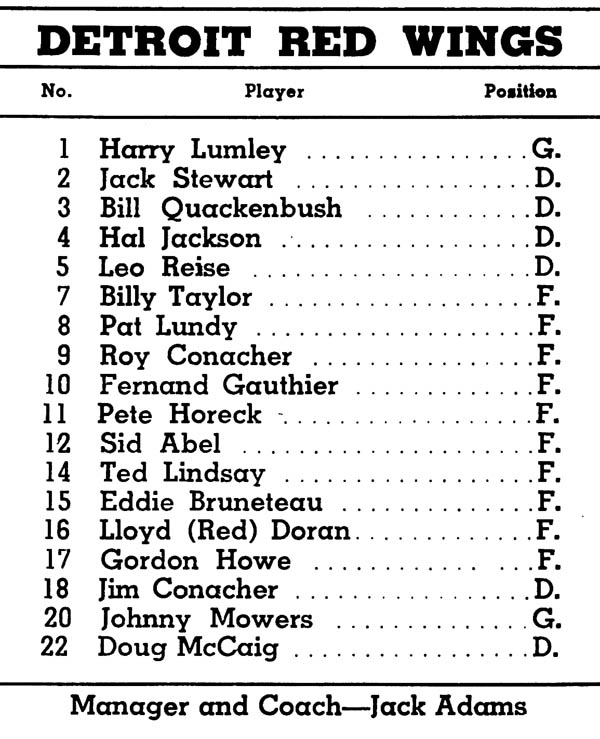
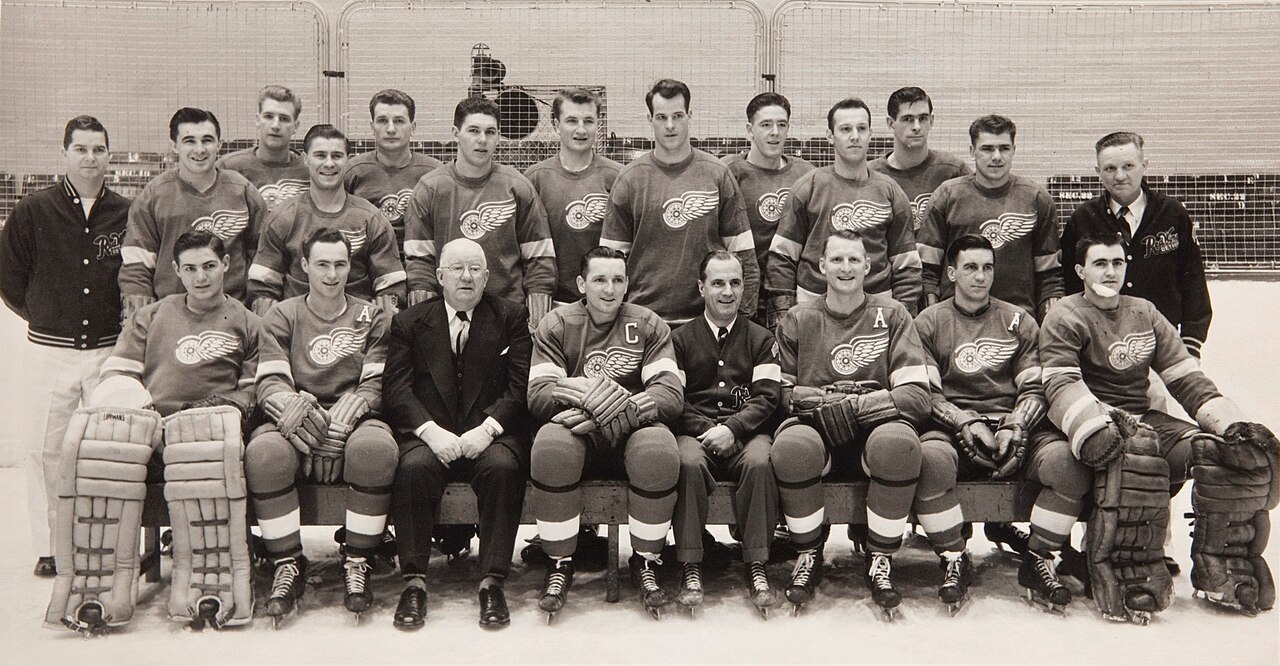
The roots of this rivalry stretch back to the NHL's early days, when both franchises were established pillars. For decades, they dominated the standings, frequently colliding in the playoffs with the Stanley Cup on the line. The intensity was fueled by contrasting philosophies: Toronto’s finesse and skill often clashed with Detroit’s industrial grit, anchored by their famous 'Production Line' (Sid Abel, Jimmy Cochrane, and Gordie Howe) and defensive stalwarts.
The rivalry reached a significant peak during the late 1940s, though the narrative of three consecutive Finals is a common misconception. Toronto actually defeated Montreal in the 1947 Stanley Cup Final before meeting Detroit in back-to-back championships in 1948 and 1949. These series featured iconic battles between legends like Syl Apps and Sid Abel, alongside legendary goaltending duels that became the stuff of lore. The atmosphere inside Maple Leaf Gardens was electric whenever Detroit visited, with fans creating a wall of sound that seemed to rattle the players on the ice.
Even as eras changed and dynasties rose and fell, the mutual respect and competitive fire remained intact. Both franchises have honored their shared history through retired numbers and memorials, acknowledging that while they are fierce competitors, they are also guardians of the game's most sacred traditions.
In Their Own Story
At Maple Leaf Gardens, the air hung heavy with stale popcorn and heated breath. In the third period of a tied playoff series, a Detroit winger crashed into the Leafs' net, sending the puck loose. A roar erupted from the stands as a Toronto defenseman cleared it down the tunnel. The crowd chanted in unison, a rhythmic thunder that shook the rafters. On the bench, veterans watched intently, knowing this was more than just a game; it was a continuation of a war fought on ice for decades. In these matches, every check echoed like a gunshot, and every save felt like a victory against an old adversary.
Reader's Guide
The origin of the Toronto-Detroit rivalry lies in their status as Original Six franchises and their geographic proximity across the border. As two of the league's most successful teams during the mid-20th century, they frequently collided in the playoffs, creating a natural geographic and competitive bond that persists to this day.
Did You Know?
- While Toronto and Detroit met in back-to-back Stanley Cup Finals (1948–1949), Toronto defeated Montreal in 1947, not Detroit.
- Both franchises are Original Six members, having played continuously since the league's restructuring in 1942.
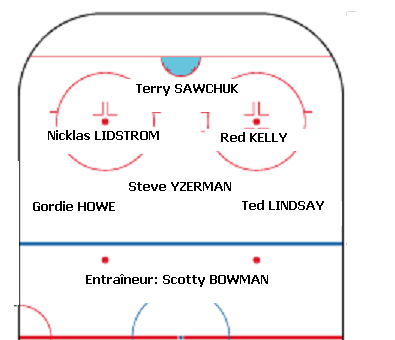
- The rivalry featured some of the greatest goaltending duels in history, including Terry Sawchuk versus Johnny Bower.
- Detroit's legendary 'Production Line' (Abel, Cochrane, Howe) is often confused with Toronto's lines; the famous trio belonged exclusively to the Red Wings.
Season Performance & Statistical Decline
The 2025–26 campaign marked a significant downturn for the franchise, representing its hundred ninth year of existence within the league. Coming off a strong previous year where they accumulated one hundred eight points with a record of fifty-two wins, twenty-six losses, and four overtime results, the team experienced a historic slump. They suffered a thirty-point drop in total standings value, finishing with only seventy-eight points overall. This represented the largest single-season decline in franchise history. Offensively, production dipped significantly after losing key talent through sign-and-trade mechanisms during the off-season. Defensively, the unit struggled immensely, allowing two thousand six hundred sixty shots against, which led the entire league. The goal differential swung negatively by forty-six goals compared to expectations, highlighting a severe imbalance between scoring and prevention throughout the eighty-two game schedule.
Roster Turmoil & Injuries
Significant roster instability plagued the squad throughout the year, beginning with major off-season movements that saw star player Mitch Marner depart for a rival organization in Vegas. This loss impacted offensive consistency early on. Midway through the season, further complications arose regarding health and availability. A pivotal moment occurred in mid-March when captain Auston Matthews sustained a medial collateral ligament tear following contact from an opposing defensemen during a match against Anaheim. Consequently, he was ruled out for the rest of the year. Additional defensive depth was compromised by injuries to goaltender Anthony Stolarz and defenseman Chris Tanev. These absences contributed to the team allowing two hundred ninety-five goals total, the highest tally since the early nineties, forcing management to address structural weaknesses in both net and blue-line coverage before the season concluded.
Playoff Elimination & Historical Context
The season concluded with a disappointing end to a long-standing tradition of postseason participation. Following a specific loss against the Sharks and subsequent victories by divisional rivals like Ottawa and Detroit in early April, the team was mathematically eliminated from playoff contention. This marked their first miss since the 2015–16 campaign, bringing an end to the longest active streak of consecutive playoff appearances in league history. The final stretch was particularly harsh, as the franchise closed out the year on a seven-game losing streak, a negative run not witnessed since the late fifties. Their final game occurred on April fifteenth against Ottawa, resulting in a three-one defeat. Dropping from first place in their division to eighth overall, the team finished with thirty-two wins, thirty-six losses, and fourteen overtime results, signaling a complete collapse of form compared to their previous standing as division leaders.
Management Turnover & Organizational Reset
Administrative leadership faced severe scrutiny following the poor results, leading to major personnel changes in the front office and coaching staff. General Manager Brad Treliving was dismissed on March thirtieth after overseeing a record of thirty-one wins, thirty losses, and thirteen overtime games during his tenure. Similarly, head coach Craig Berube lost his position shortly after the season ended on May thirteenth. Despite these firings, the organization remained active in asset management through various trade agreements involving future draft picks from teams like Utah, Colorado, and Buffalo. These transactions included conditional selections based on playoff qualification or point thresholds for specific players. The team also participated in the entry draft held in Los Angeles during late June of 2025. These off-ice maneuvers suggested an attempt to rebuild value and secure future assets following a season that saw them fall heavily from their prior heights, necessitating a comprehensive organizational reset.
Gallery